
How Tree Pruning Services Support Long-Term Tree Health
Trees are essential components of our environment, providing oxygen, improving air quality, and offering shade. Beyond their environmental impact, trees enhance the aesthetic appeal of landscapes, making urban areas more livable. Tree pruning services are vital for maintaining these benefits as they ensure the health and longevity of trees. Professional pruning involves strategic trimming to support tree growth, reduce disease risk, and improve appearance. This article explores how tree pruning services contribute to long-term tree health through proper techniques and sustainable practices.
The Basics of Tree Pruning
Definition and Purpose
Tree pruning is the selective removal of specific branches or stems to benefit the entire tree. Its primary purpose is to eliminate dead or diseased branches, improving the tree's overall health and structure. Proper pruning can also encourage new growth and flowering, enhancing the tree's natural beauty. Furthermore, strategic pruning can address safety issues, such as removing branches that pose a risk to property or people. By carefully attending to tree structure, pruning supports a healthy and robust growth pattern.
The practice of tree pruning dates back centuries and remains crucial in modern arboriculture. Arborists, trained professionals in tree care, implement various pruning techniques to achieve specific objectives. In addition to health and safety, pruning enhances aesthetic appeal, helping trees fit their environment harmoniously. Trees pruned professionally can thrive longer and withstand adverse conditions better than those neglected. Proper pruning requires knowledge, experience, and precision to achieve desired outcomes.
Pruning is not merely cutting branches but a science that requires understanding tree biology and growth patterns. Different trees have varying pruning needs, influenced by their growth habits and species characteristics. Choosing the right time for pruning is essential, as it affects the healing and growth response. Seasonality plays a role, with many trees benefiting most from late winter or early spring pruning. A well-planned pruning schedule ensures trees receive the care they need at the optimum time.
Types of Pruning Techniques
There are multiple pruning techniques, each serving a specific purpose in tree maintenance. Thinning involves removing branches to increase light penetration and air circulation, vital for overall tree health. Reduction is used to decrease the size of a tree, often to prevent interference with structures or utility lines. Raising removes lower branches to provide clearance for people, vehicles, or views, promoting safety and functionality. Every technique requires an understanding of tree anatomy and growth to avoid damage.
Deadwooding is a crucial technique focused on removing dead branches that could potentially fall and cause injury or damage. Caution is necessary when performing rejuvenation pruning, which involves cutting back trees severely to promote vigorous new growth. Each method requires considering the tree's species, health status, and environment to make informed decisions. Skilled arborists possess the expertise needed to apply these techniques effectively without compromising tree health. Proper implementation ensures pruning achieves its intended goals, enhancing trees' resilience and beauty.
Timing varies among techniques, with some requiring specific seasonal execution for best results. Crown thinning and deadwooding can be done at any time of the year, but rejuvenation should be performed during plant dormancy. Timing affects not only the tree's health but also the ease of performing pruning tasks safely. Known techniques like crown cleaning, which involves removing diseased or dying branches, improve aesthetics and health. The correct technique is essential for preventive care, supporting stronger tree development and reducing potential risks.
Seasonal Considerations for Pruning
Seasonal timing plays a critical role in the success and health outcomes of tree pruning. Each season offers different ecological conditions that influence tree physiology and the healing process. For many deciduous trees, late winter to early spring, before new growth sets in, is ideal for pruning. This timing minimizes the stress caused by pruning and encourages robust growth come spring. Conversely, pruning in late spring or summer could lead to wounds that attract pests or pathogenic fungi.
Evergreen trees might require different timing, as these retain their foliage year-round and have different growth cycles. Understanding species-specific requirements is crucial for determining the appropriate time to prune. For example, flowering trees should be pruned after they bloom to prevent disruption of the flowering cycle. Such considerations ensure tree health is a priority, and aesthetics are preserved without compromising future growth and blooming. Attention to detail in the timing of pruning extends the benefits of the intervention.
Seasonal shifts influence pest activity, which in turn affects pruning strategies. Proactive pruning during dormant periods helps avoid attracting pests or disease to fresh cuts. The risk of infection is often lower during colder months when many pathogens are inactive. This, combined with the fact that leaves are absent in winter, allows for better visibility of the tree's structure. Understanding these factors helps in planning the best time for pruning interventions, maximizing efficacy and tree longevity.
Tools and Equipment Used in Pruning
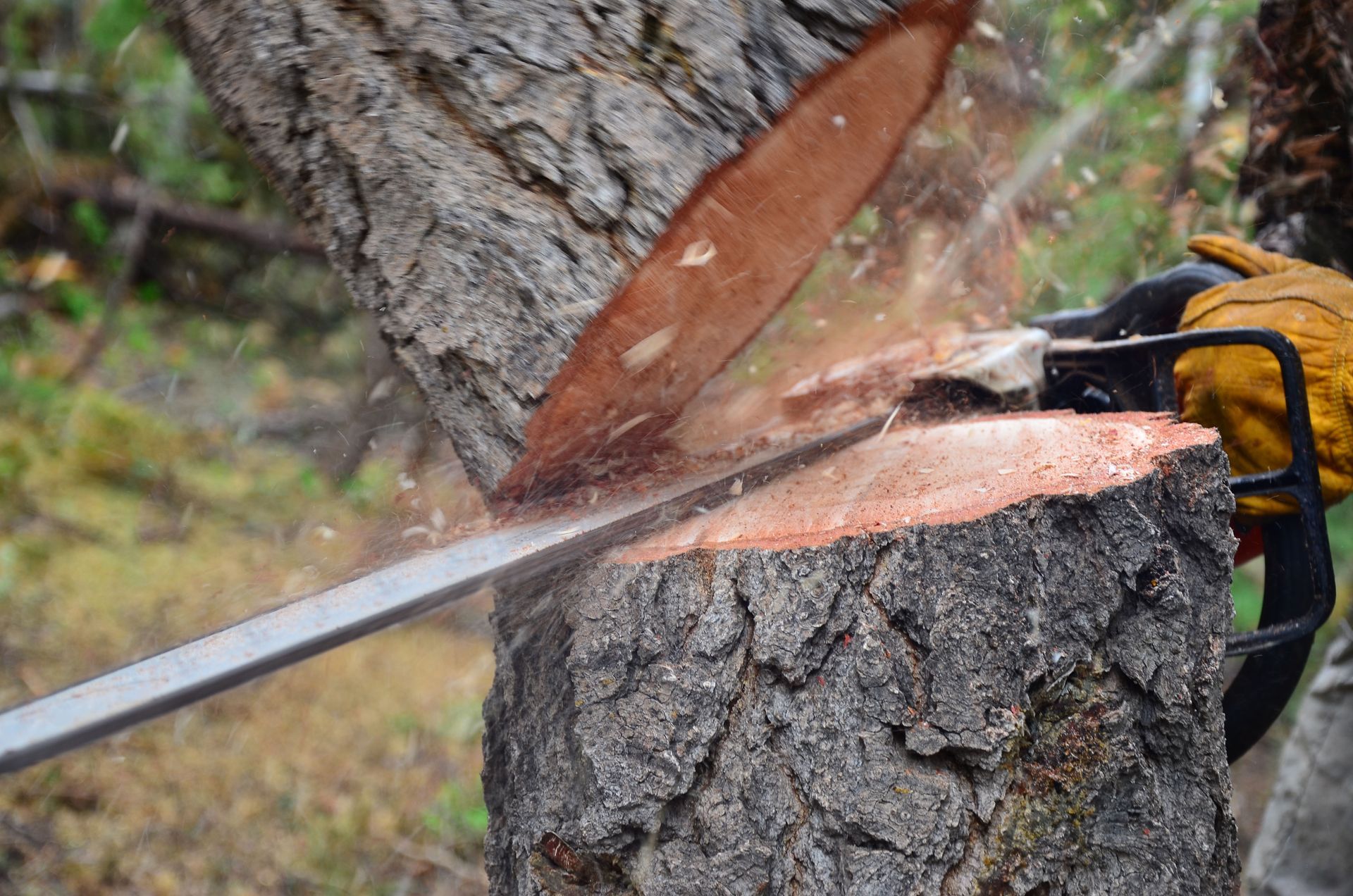
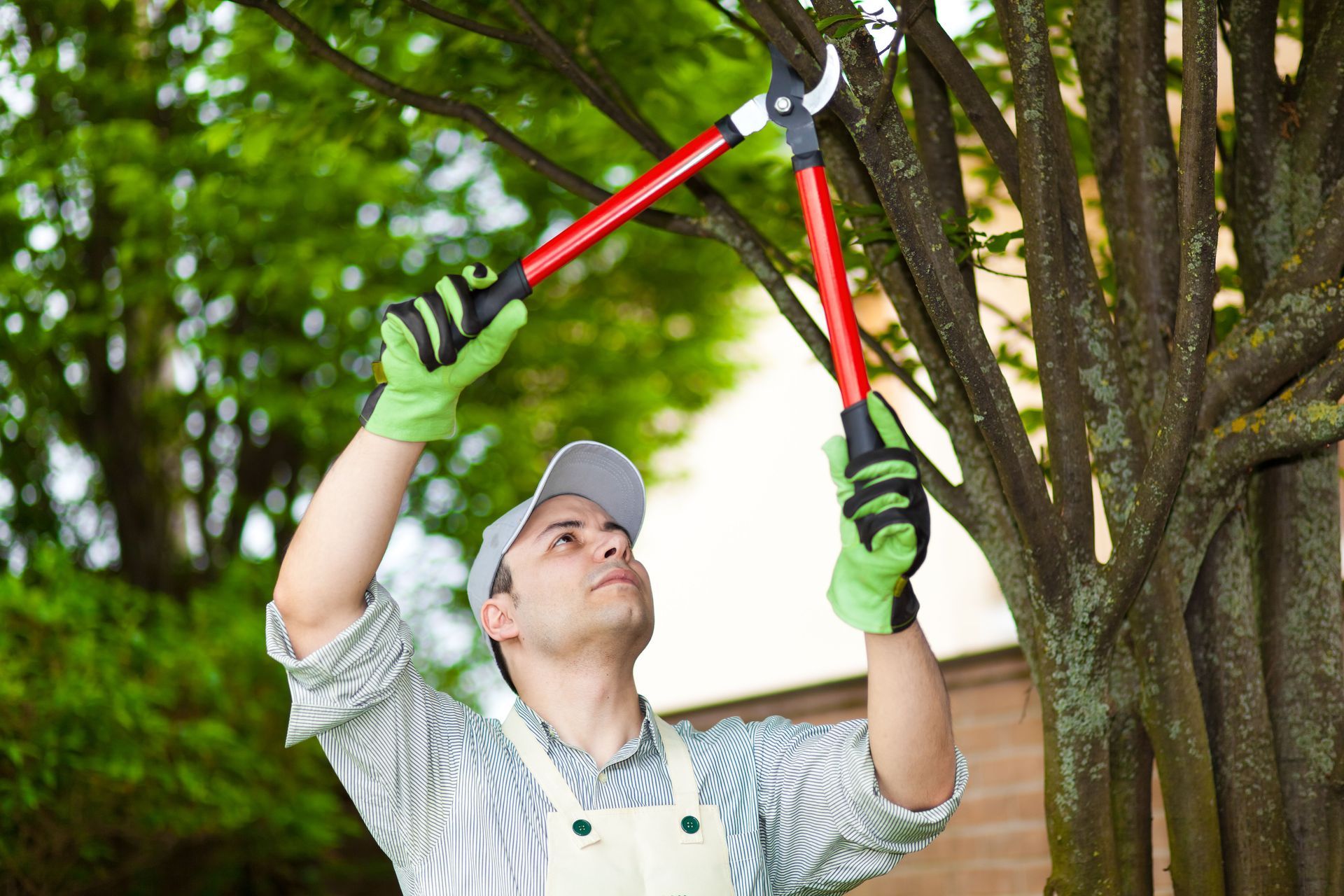
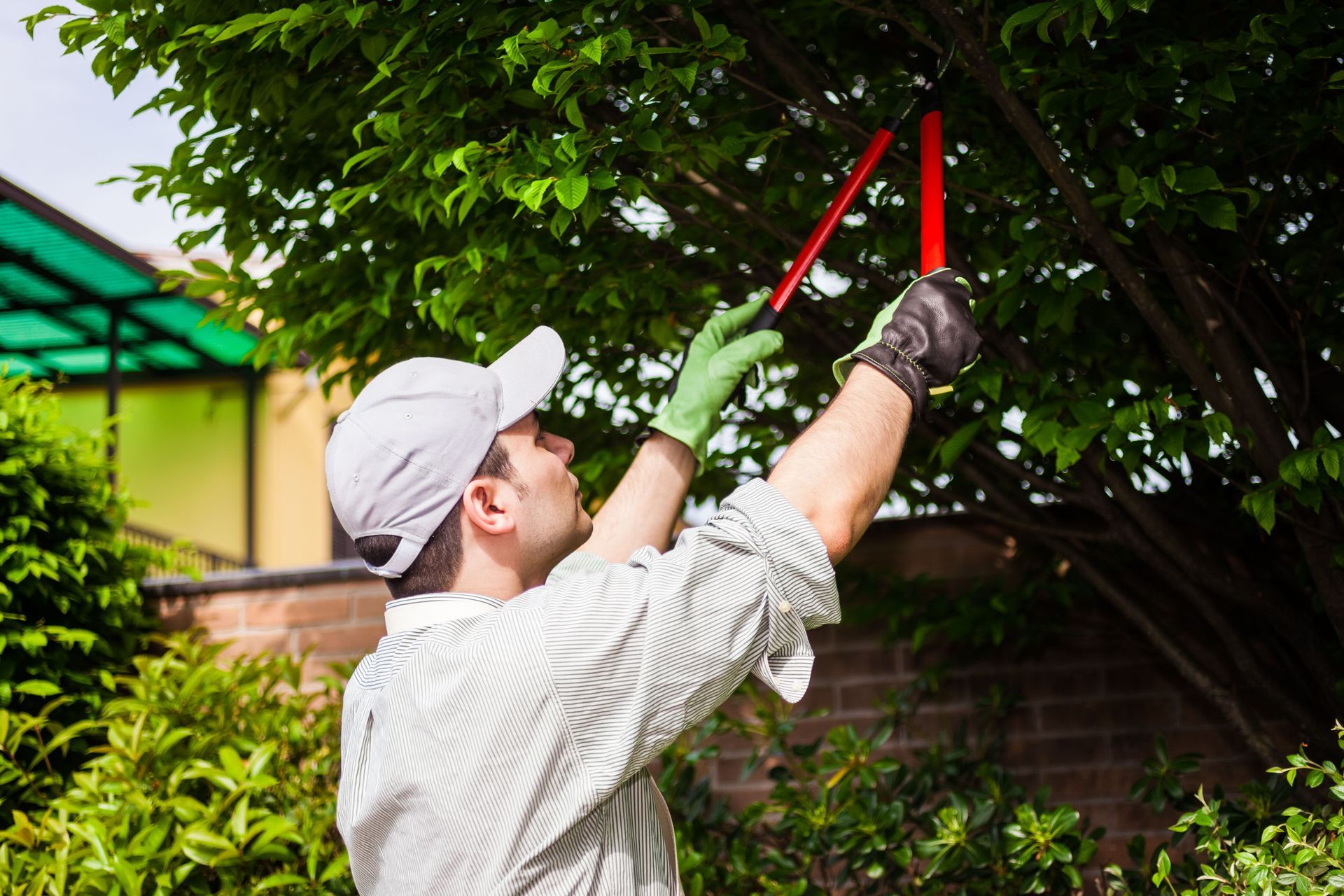
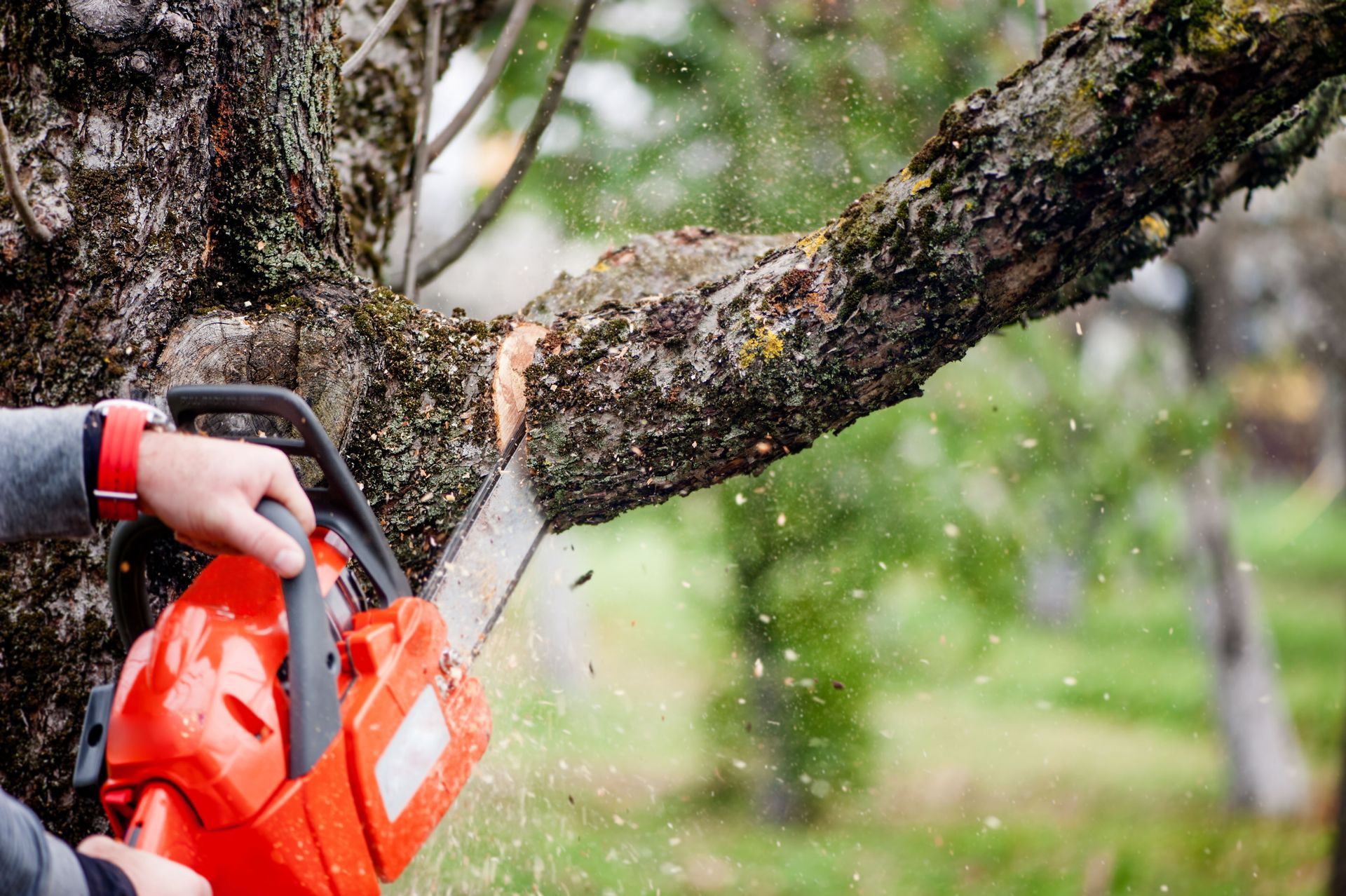
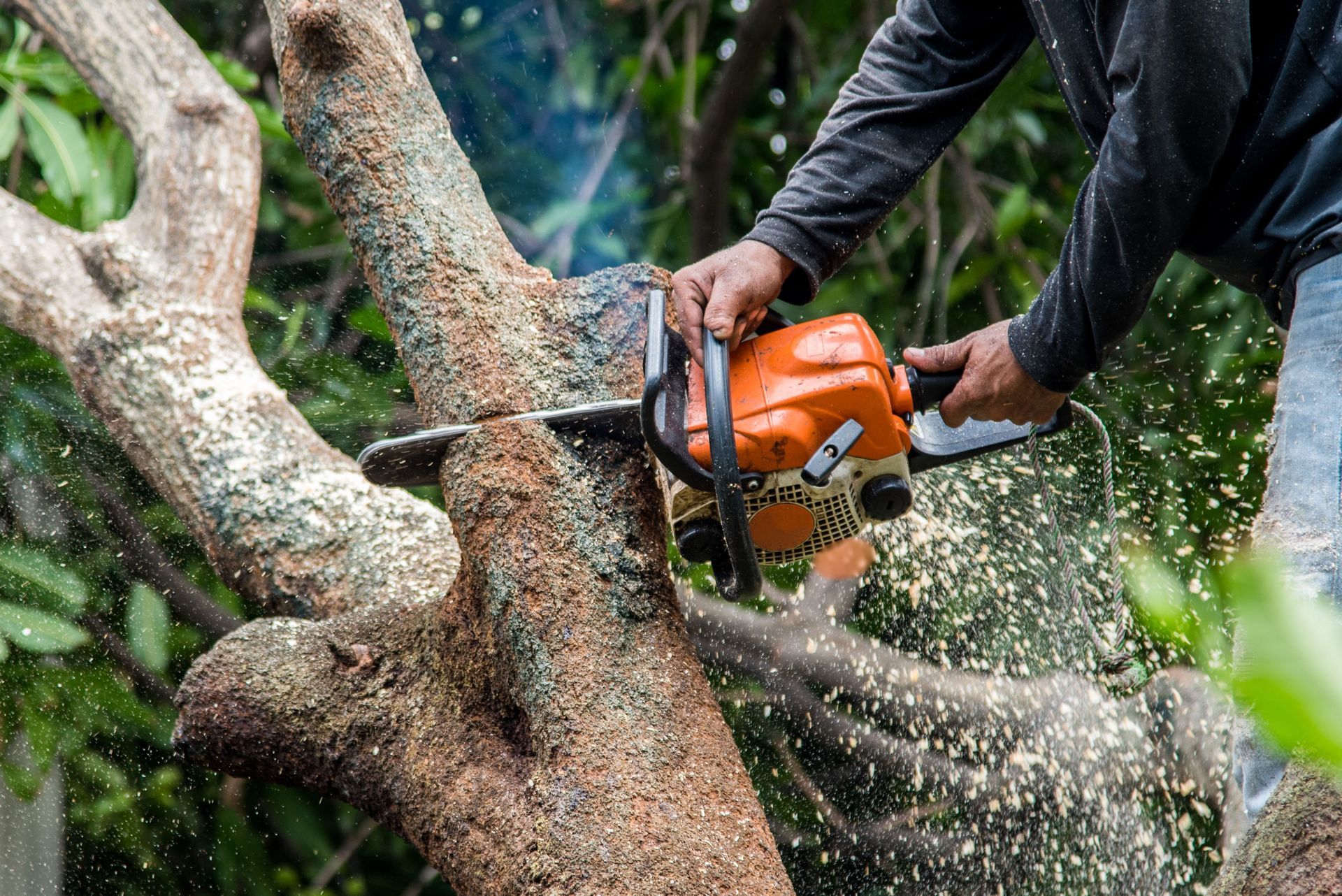
The proper tools and equipment are crucial for effective and safe tree pruning. Common hand tools include pruning shears, loppers, and saws, each serving different purposes depending on the branch size and location. Specialized tools like pole saws are vital for reaching higher branches without the need for ladders, reducing risk. The use of chainsaws may be necessary for thick branches, demanding expertise to ensure precision and safety. The choice of equipment depends on the specific pruning task and the tree's characteristics.
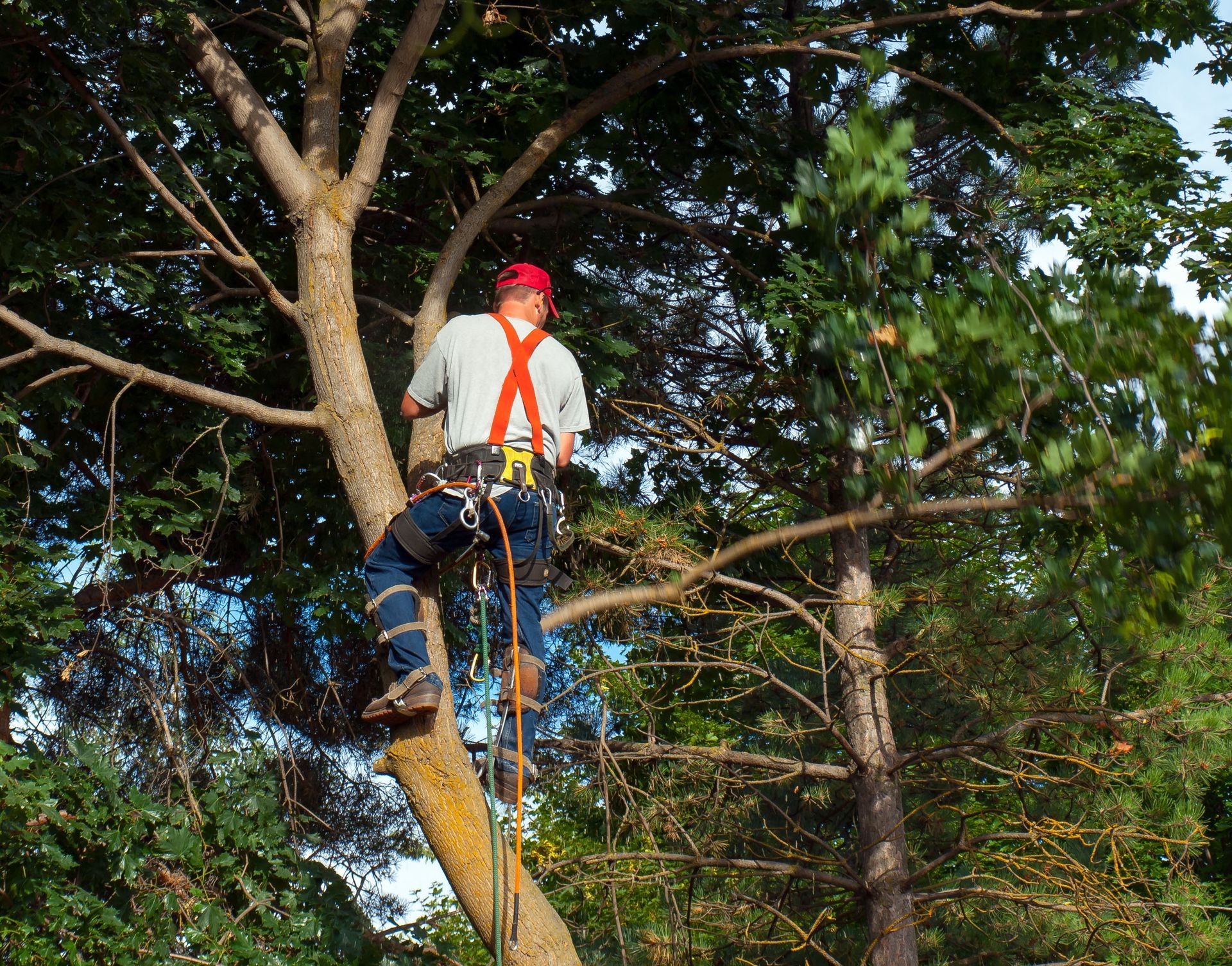
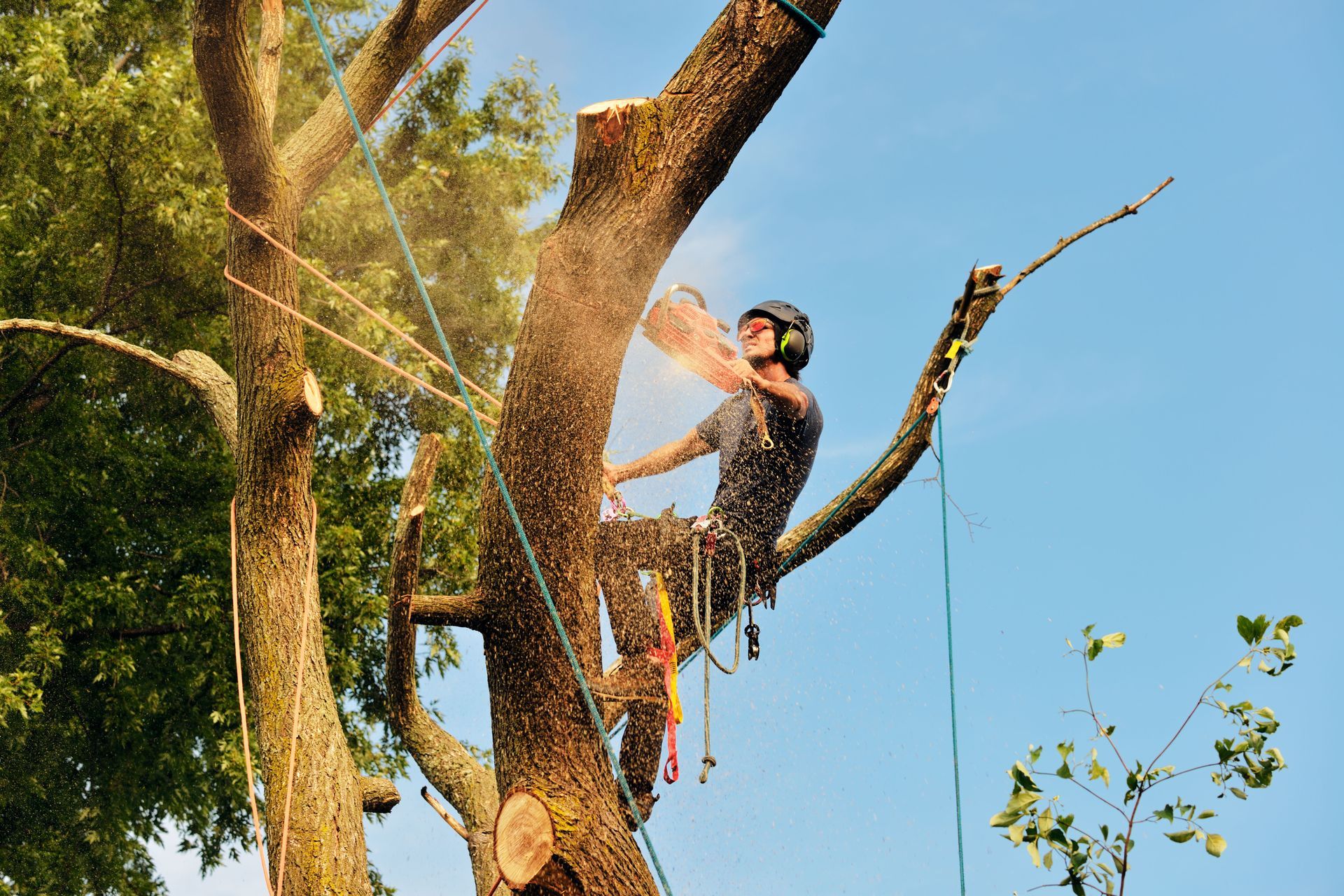
Tool maintenance, including cleaning and sharpening, ensures cut precision and reduces injury risk to trees. Clean cuts are vital as they heal faster and reduce the chance of disease entering through ragged edges. Experienced professionals prioritize tool selection and maintenance to align with the type of pruning planned. Additionally, harnesses and safety gear are essential for pruning at heights, ensuring the safety of arborists and bystanders. Combining the right tools with skilled operation leads to successful pruning outcomes.
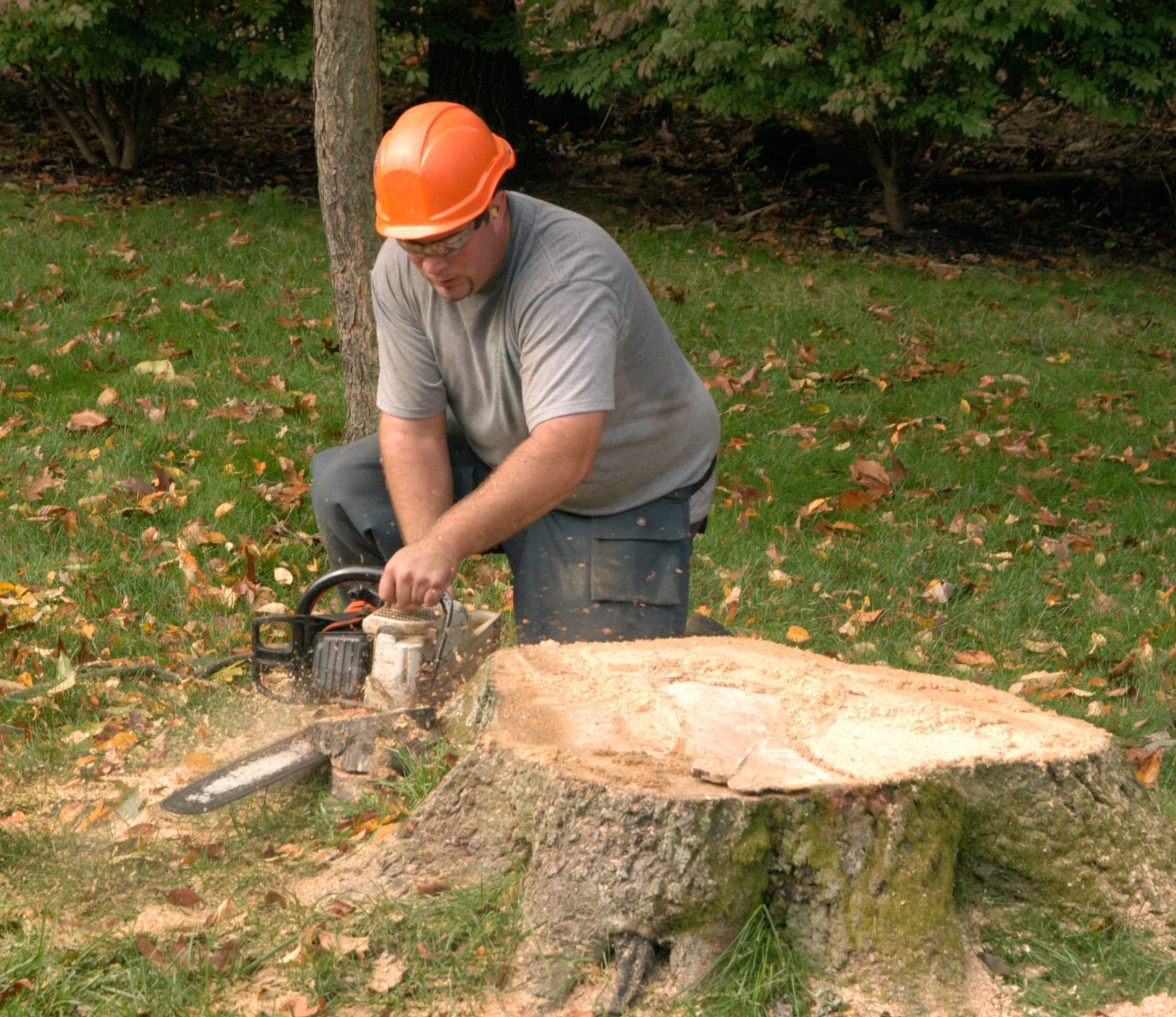
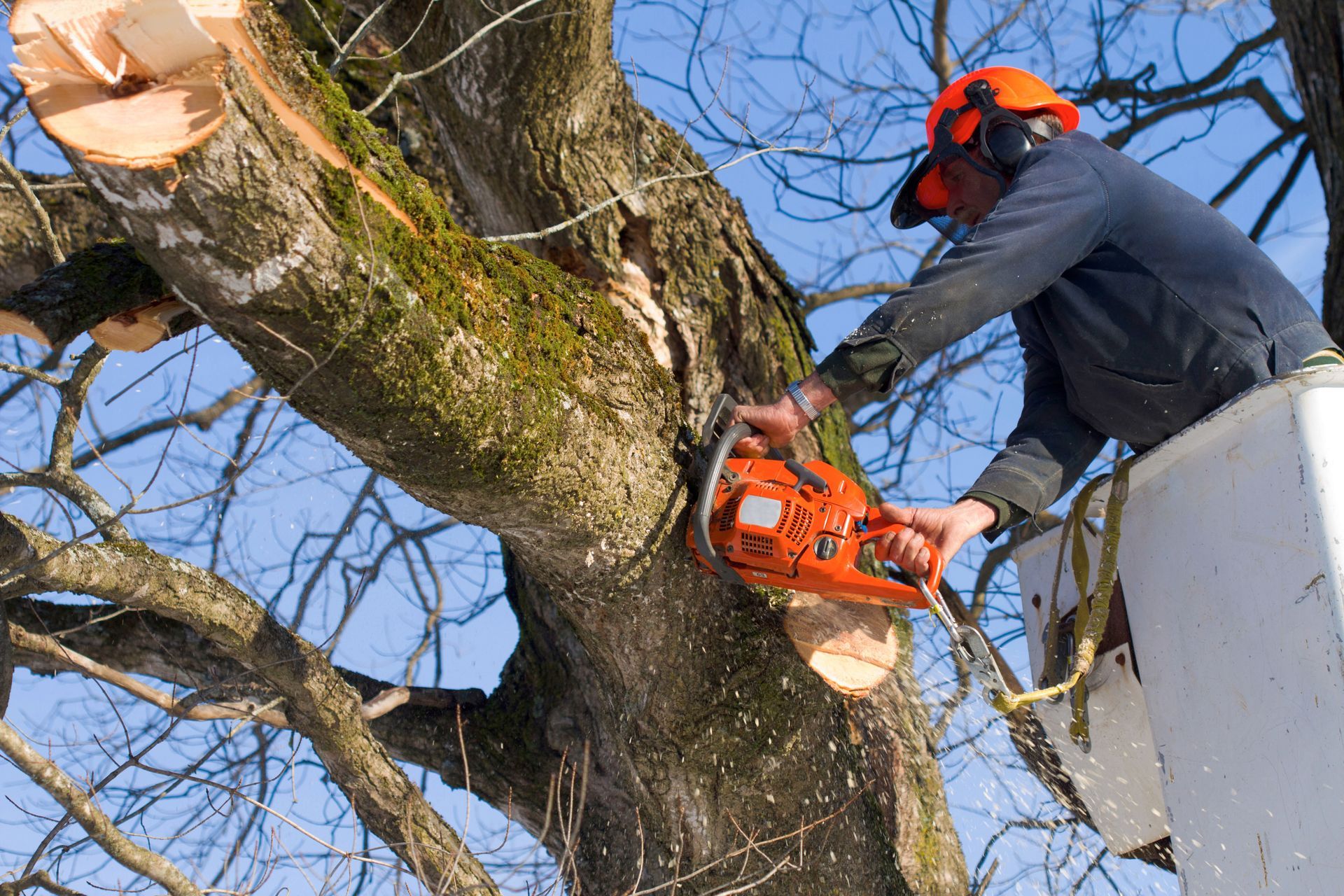
Safety protocols are paramount when using powerful equipment such as chainsaws. Proper training is necessary to avoid accidents and ensure cuts do not harm the tree or person. Protective gear like gloves, helmets, and eye protection is standard practice to minimize injury risks. Employing drop cloths can help manage debris and protect surrounding vegetation. The appropriate use of tools, combined with a comprehensive safety strategy, is essential in professional tree pruning services.
Common Misconceptions About Pruning
One common misconception is that any cutting enhances a tree's health, but improper pruning can lead to severe damage. Untrained individuals might perform topping, removing a tree's top growing point, leading to weak, unnatural regrowth. Another myth is that trees need pruning every year, which is not always true and varies with species and growth conditions. A widespread false belief is that all cuts should be sealed with wound dressing, though this often hinders the natural healing process. Professional guidance is essential to dispel these myths and apply proper techniques.
Pruning is sometimes mistakenly viewed as purely cosmetic, neglecting its critical role in health and safety. While aesthetics are important, cutting excess dead wood and addressing structural issues have significant health implications. Misunderstanding the time and technique can result in improper cuts, leaving trees more vulnerable to infestations. Hiring trained arborists prevents these errors, ensuring pruning practices benefit trees holistically. Awareness of proper practices and the associated misconceptions aids in achieving the desired outcomes efficiently.
Some believe large, mature trees are self-sustaining and require no intervention, which overlooks potential safety hazards. Aging trees can develop dead or weak branches that pose risks to property and people and affect the tree’s vitality. Regular pruning assessments are vital, addressing both visible and hidden issues helping the tree survive long term. Understanding these aspects shifts focus from minimal to proactive intervention, supporting urban forestry management. As urbanization progresses, perceptions about tree care evolve, emphasizing the value of professional pruning. According to the U.S. Bureau of Labor Statistics, there are approximately 50,270 individuals employed nationwide in the tree trimming and pruning profession. Be sure to reach out to Crissman Tree Service to learn more about our professional tree pruning services!
Share On: