5 Signs You Need Tree Services
Understanding when to call for tree services is crucial for maintaining a healthy and safe environment. Trees, while beautiful and beneficial, can pose various risks when neglected. This article will help you identify the signs indicating that it's time to bring in professional tree services. Recognizing issues early can prevent costly damage and ensure that your property stays safe and attractive. With the rise in environmental concerns and the increase in urban development, caring for trees appropriately is more essential than ever. Here are five signs you need tree services.
1. Visible Signs of Disease
Trees, like all living organisms, are susceptible to disease. Discolored leaves or foliage can be an early indicator of tree health issues. Leaves that are yellowing or browning prematurely might be suffering from an underlying problem, such as nutrient deficiencies or pest infestations. Similarly, fungal growths or mold present on the tree can signal decay or disease, which needs to be addressed immediately. It's important to act quickly when these symptoms appear, as diseases can spread rapidly, affecting other parts of the tree or neighboring plants.
Noticeable bark damage often points to a compromised tree. Bark serves as a protective barrier, and any significant breaches can lead to infections. Dead branches are another concern, as they not only signal internal health issues but also pose a physical hazard. Wilting can indicate root issues or dehydration, and must be assessed promptly by professionals. Abnormal growth patterns, such as excessive leaning or lopsided growth, can be a sign of internal imbalance or structural weakness.
Professional tree services can accurately diagnose these problems. They have the expertise to identify symptoms that may seem insignificant to the untrained eye. According to Aspire, a landscaping business software provider, the number of landscaping businesses in the U.S. grew by over 4% from 2024 to 2025, increasing from almost 700,000 to over 726,500, highlighting the increasing demand for professional services. Effective intervention can restore health to ailing trees, helping to preserve the beauty and benefits they provide. Regular monitoring is key, as catching these signs early can save both time and money in the long term.
2. Structural Issues
Structural stability is essential for the safety and longevity of trees. Cracks or splits in trunks can be a major concern, suggesting internal decay or damage. If left unaddressed, these can expand, leading to the potential collapse or fall of the tree. Leaning trees pose an immediate risk, especially in high winds or storms, as they can fall unpredictably and cause damage. Trees should typically grow upright, with strong, balanced roots to support them.
Weak or V-shaped branch unions are another structural issue. These formations are weaker than those with a U-shaped union and are more likely to break under stress, such as heavy winds or snow. Decay in the heartwood or roots can compromise the tree's strength from within. This type of issue often requires a professional to assess and determine whether trimming or complete removal is necessary. Hollowed or cavitated areas can provide an entry point for pests and diseases, exacerbating the problem.
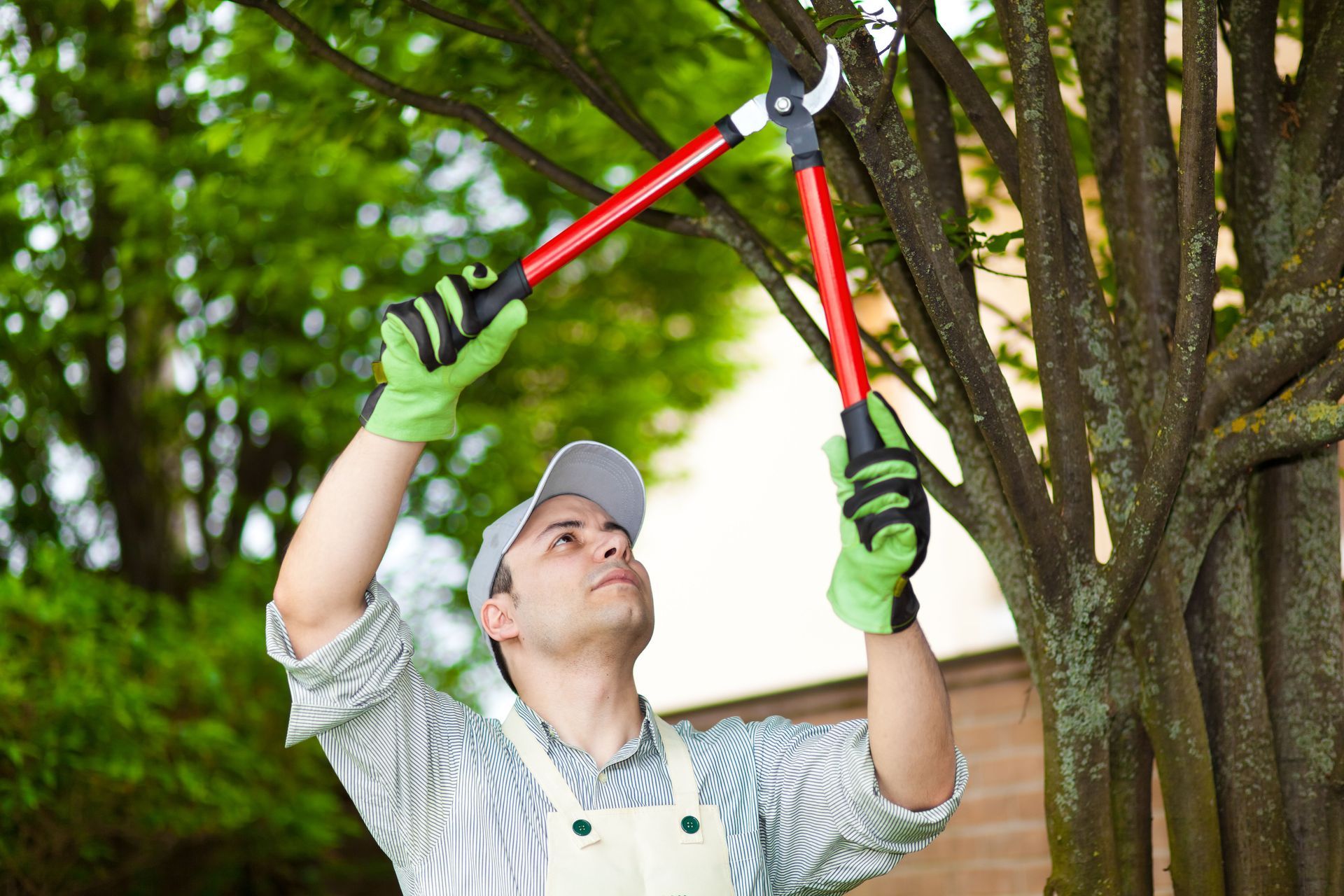
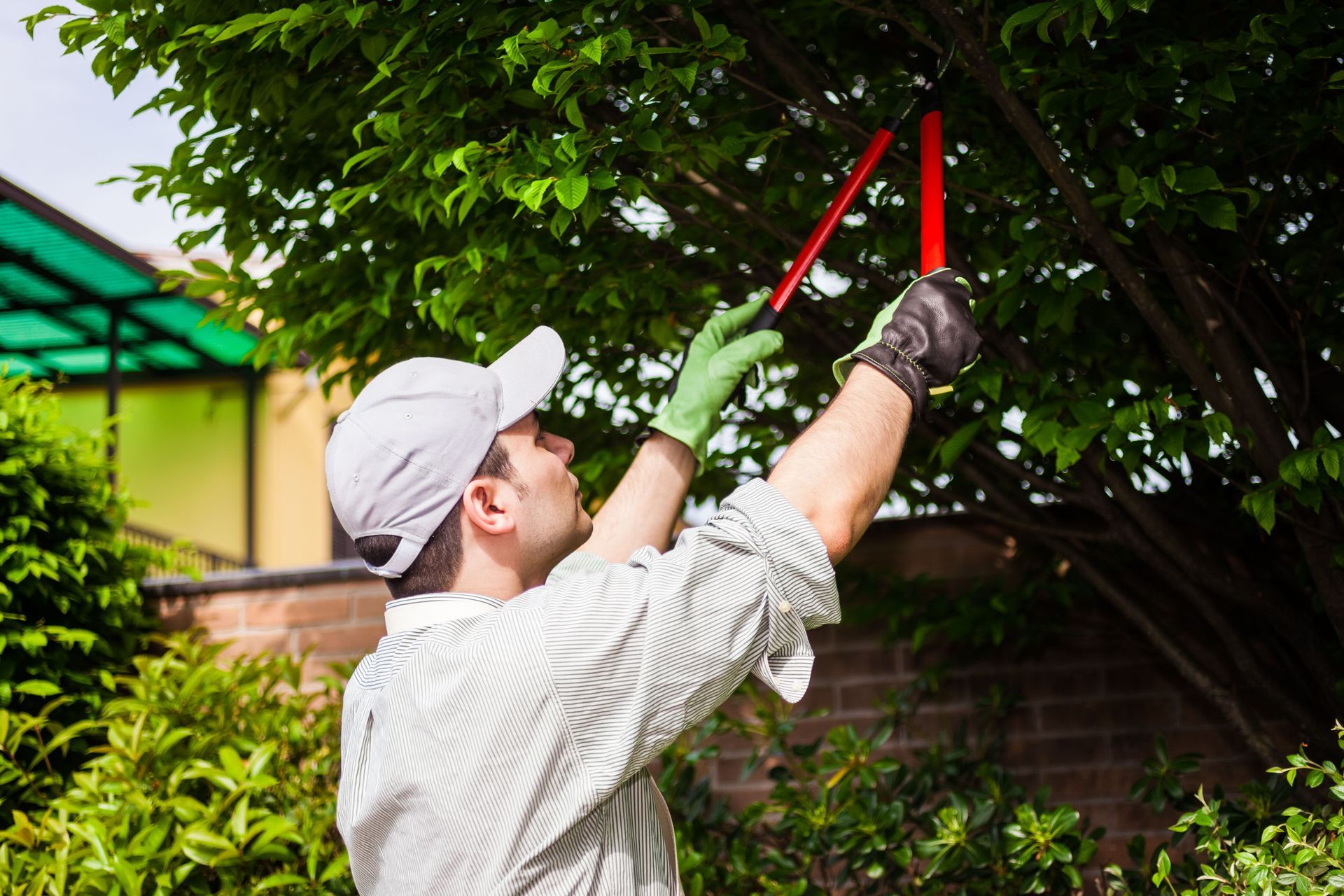
Hiring a professional to inspect and maintain trees ensures these structural issues are identified and managed. Arborists can implement solutions that strengthen the tree, such as cabling or bracing to support weak branches. Regular inspections can also help to gauge the tree's health over time, allowing for proactive interventions. Trained experts can offer solutions that a layperson might not consider, further solidifying the tree's place in your landscape. Their knowledge can make a significant difference in extending the life of trees and ensuring the safety of your property.
3. Pest Infestation
Pests can wreak havoc on trees, making early detection and management crucial. An increase in animal or insect activity often indicates an infestation. Insects such as borers or bark beetles can be particularly damaging, as they tunnel into wood and disrupt the tree's ability to transport nutrients and water. The presence of boring holes in the bark or wood is a critical sign of an infestation. Such infestations weaken the tree structure, leaving it vulnerable to other diseases.
Sawdust-like residue near the tree base is another tell-tale sign. This material, known as frass, is typically a byproduct of insect activity within the tree. Sudden leaf drop or lack of growth is another symptom, as these pests can destroy leaves and interrupt essential processes like photosynthesis. Nesting or webs in the canopy can compound these problems, as they not only suggest pest activity but also stress the tree's branches and foliage. Regular surveillance by professionals can catch and manage infestations early.
Professional tree services are equipped to handle these issues effectively. They can identify the specific type of pests and apply targeted treatments to minimize damage. Early intervention is crucial for preventing widespread problems and maintaining the tree's health. With the growth in landscaping businesses, as noted by the increase from 2024 to 2025, homeowners have more options in selecting experienced services to address such challenges. Utilizing expert services ensures a knowledgeable response to pest infestations, preserving the integrity and beauty of your trees.
4. Proximity Hazards
Trees in proximity to infrastructure can pose significant risks. Branches that threaten power lines are particularly concerning as they can cause outages or even fires. Similarly, branches overhanging roofs or structures can lead to damage from falls, especially during storms. Trees must be assessed for their location and potential impact on surrounding buildings and utilities. Regular maintenance can prevent these hazards from developing into emergencies.
The impact of trees on sidewalks or driveways should not be ignored. Over time, roots can heave concrete, leading to trip hazards or costly repairs. Roots disturbing foundations pose another serious concern, as they can destabilize buildings and require extensive remediation. Blocking sunlight from solar panels is another issue that speaks to the need for strategic tree placement and maintenance. Each of these hazards requires careful assessment and potential intervention by professional tree services.
Qualified professionals can provide the necessary guidance and actions to mitigate these risks. Pruning and strategic removal can minimize interference with infrastructure, ensuring that trees remain a safe and complementary part of the environment. The increase in landscaping businesses highlights a growing awareness of the need for professional tree services in managing such complexities. By addressing proximity hazards proactively, property owners can maintain both the beauty and functionality of their spaces. It is always safer and more cost-effective to prevent damage than to repair it after the fact.
5. Environmental Considerations
Environmental factors can significantly influence the health and stability of trees. Crowded tree canopies can restrict sunlight and airflow, promoting mold growth or disease spread between branches. Pruning to thin these canopies allows for better air circulation and light penetration, supporting tree health. Soil erosion issues can threaten tree stability, as the loss of soil weakens the root base. It is essential to maintain proper soil health and coverage to support robust root systems.
Poor water drainage is another environmental concern. Excessive water accumulation can lead to root rot, while insufficient water can cause drought stress, both of which can damage trees. Competing plant growth around trees can siphon away vital nutrients and water, affecting overall tree vitality. Regular evaluation and adjustments by professionals can help in maintaining a balanced ecosystem. Urban development adjustments require tree services to advise on tree preservation amidst changing landscapes.
Recognizing the signs that a tree needs professional services can prevent potential hazards, improve the health of your landscape, and increase the longevity of your trees. Regular inspections and maintenance by qualified arborists can ensure that your trees remain a safe and beautiful part of your environment. By addressing each of the concerns outlined in this article, you can safeguard your property and maintain its aesthetic appeal. The growth in the landscaping industry underscores the availability and importance of professional services in managing tree health and safety. Taking timely action based on the signs of damage or disease can avert costly repairs and preserve your peace of mind. Reach out to the team at Crissman Tree Service today for help with all your tree service needs.
Share On: