
6 Ways a Damaged Tree Can Affect Your Home and Property
Trees are an integral part of residential landscapes, providing aesthetic value, shade, and environmental benefits. However, when a tree becomes damaged, it can pose significant risks to your home and property. In many cases, consulting professional tree removers becomes essential to address hazards before they escalate. We will explore preventive measures and how timely assistance from qualified tree removers can help mitigate these risks.
1. Structural Damage to Your Home
1.1. Roof Damage from Falling Branches
One of the most immediate threats posed by a damaged tree is the potential for branches to fall onto your roof. A falling limb can cause significant structural damage, resulting in costly repairs or even the need for a full roof replacement. This risk is particularly heightened during storms or high winds when compromised branches are more likely to break. Hiring tree removers can help identify hazardous limbs and safely remove them before they cause damage.
1.2. Foundation Issues from Uprooted Trees
Uprooted trees can cause serious foundation problems for your home, especially if the tree is located in close proximity to your structure. During storms, the force exerted by wind and saturated ground can lead to trees being uprooted, which may disturb the soil and support beneath your house. This disturbance can cause cracking, settling, and even shifting of the home's foundation, leading to structural instability.
1.3. Window Breakage and Exterior Wall Damage
Damaged trees can also pose risks to windows and exterior walls. Branches that crack and fall during a storm can shatter glass and penetrate walls, compromising the home's safety and security. Even smaller branches, when propelled by strong winds, have the potential to inflict damage on exterior surfaces, leading to costly repairs.
2. Impact on Utility Lines and Services
2.1. Power Outages from Damaged Lines
Fallen branches or an entire tree can bring down power lines, leading to widespread power outages. Hiring tree removers can help prevent such hazards by safely removing risky trees. These outages disrupt daily activities and can last from several hours to days, depending on the severity and extent of damage. The situation can become grave during extreme weather conditions, as repairing damaged lines can be delayed due to accessibility issues or hazardous conditions.
2.2. Internet and Communication Disruptions
Communication lines, often strung alongside power lines, are equally vulnerable to damage from falling trees. Disruptions to internet and phone services can affect both residences and businesses, interrupting workflow, remote communication, and emergency calls. The digital era relies heavily on connectivity, making these disruptions not only inconvenient but also economically impactful, especially for remote workers and online businesses.
2.3. Water and Sewage Line Interference
In addition to above-ground utilities, damaged trees can interfere with underground water and sewage lines. Tree roots can penetrate and obstruct pipes, causing backups and potential sewage spills, which pose health risks and sanitary concerns. The cost of repairing such underground damage can be quite high, often requiring excavation to access and fix the compromised infrastructure.
3. Threat to People and Pets' Safety
3.1. Risk of Falling Branches
The safety of residents and pets can be jeopardized by the presence of damaged trees. Falling branches can cause injury to anyone standing in the vicinity, with more significant risks in the case of larger, heavier limbs. Hiring tree removers to address hazardous trees can greatly reduce these dangers. Young children, playing in the yard, are especially vulnerable if left unsupervised.
3.2. Hazardous Tree Removal Scenarios
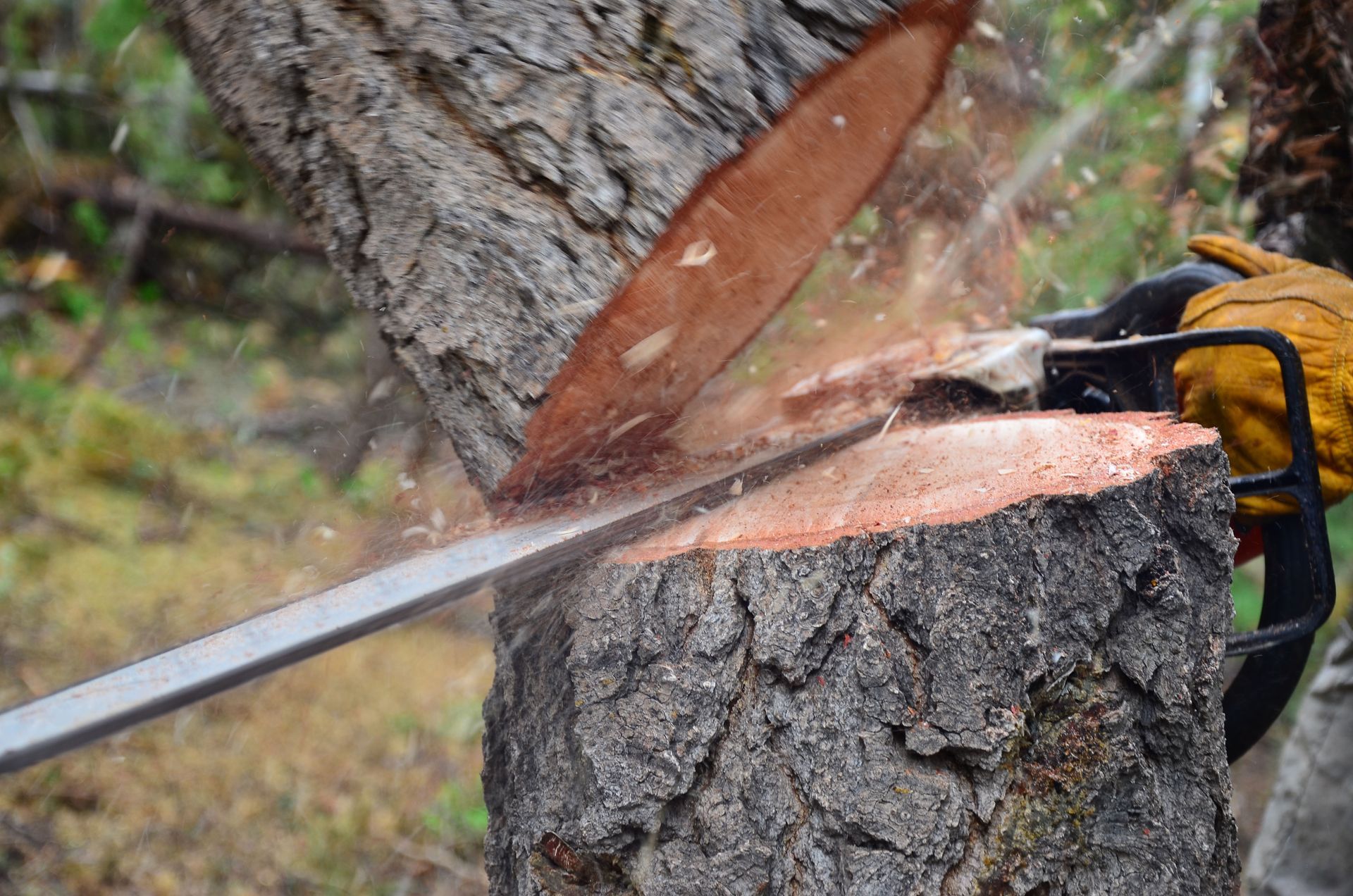
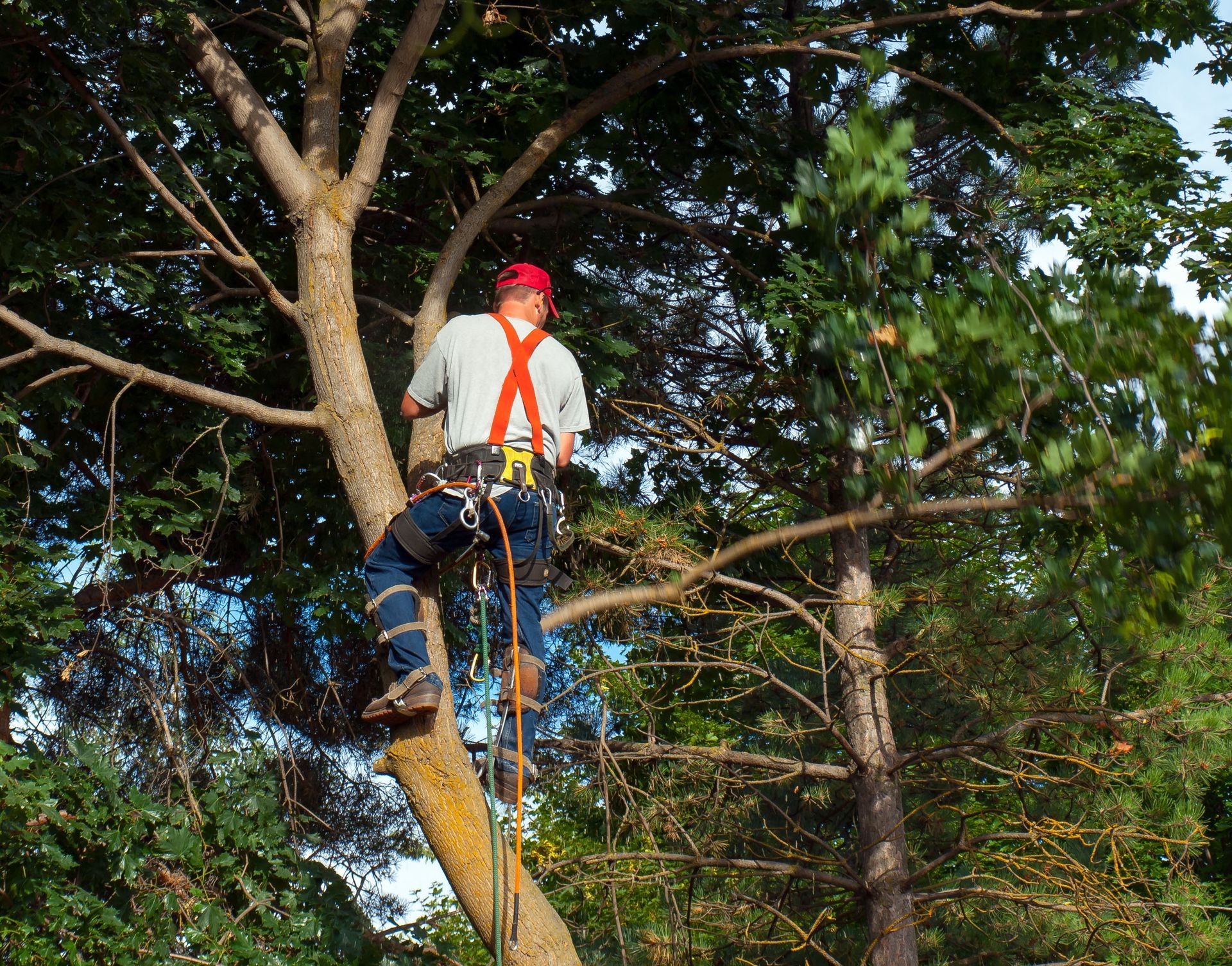
Tree removal, especially of large or compromised trees, presents significant safety challenges. The process often requires expert intervention due to the inherent risks of cutting and lowering trees safely. According to Lawn Love, removing a small tree typically requires one to two hours, whereas removing a large one generally takes three to four hours.
3.3. Concerns for Children Playing Outdoors
Outdoor play areas are at risk when damaged trees are present, as they pose potential hazards from falling limbs or branches. Families with young children should prioritize the management of nearby trees to minimize these dangers. It is essential to routinely inspect trees for signs of decay or distress, particularly after severe weather events.
4. Landscape and Aesthetic Value Reduction
4.1. Aesthetic Imbalance in Your Garden
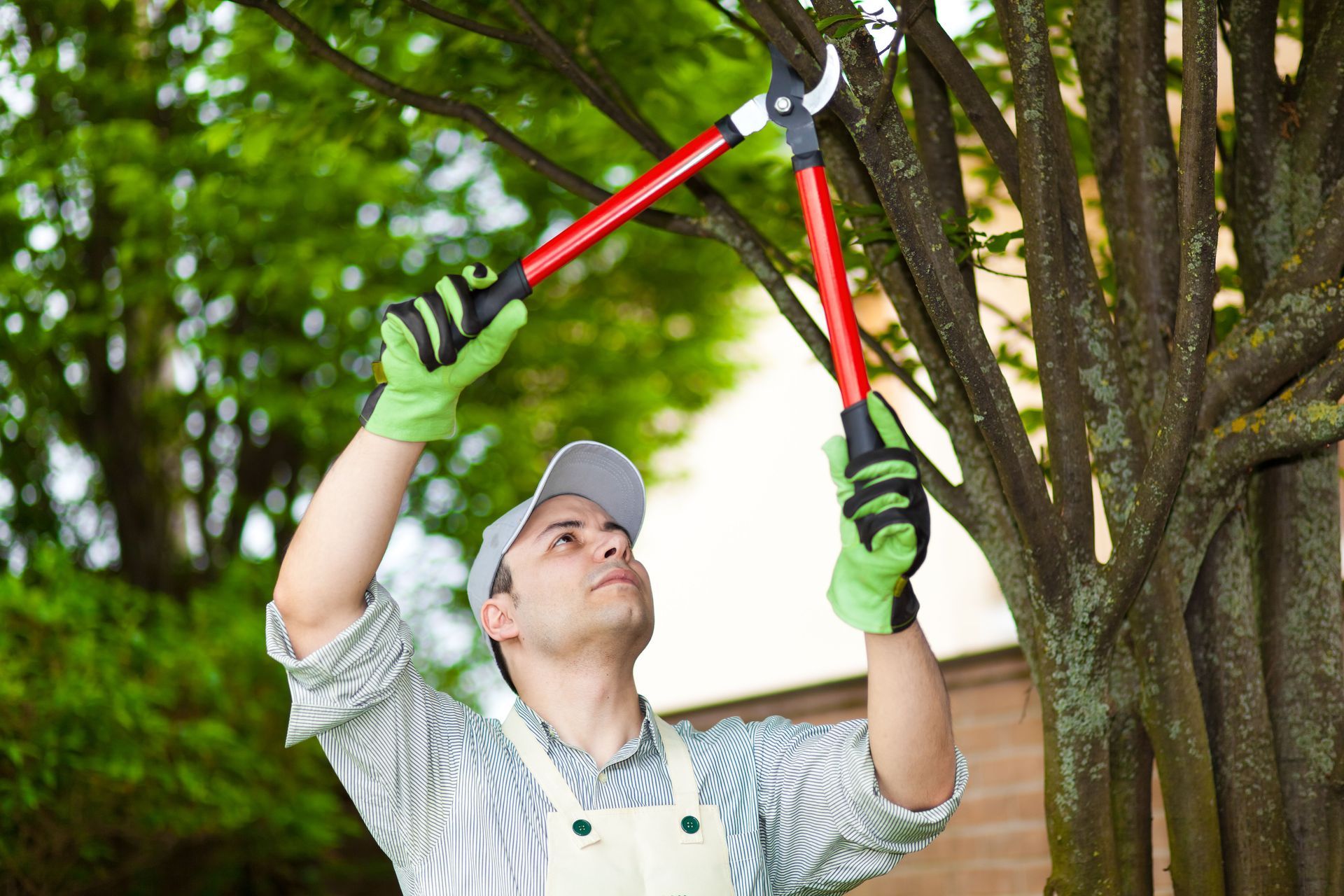
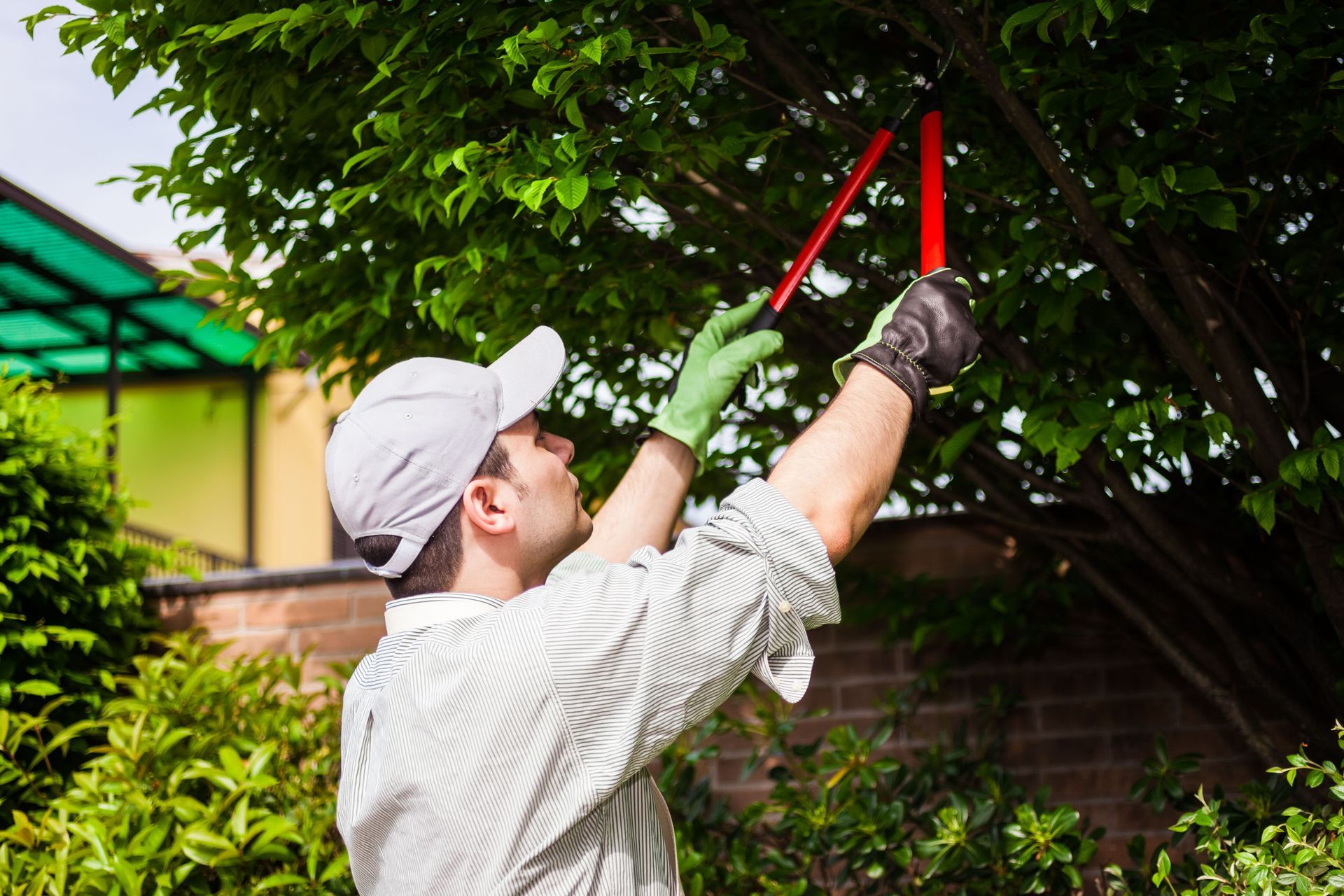
A damaged tree can lead to an aesthetic imbalance in your property's landscaping, detracting from the overall beauty and harmony of the garden. Gnarled or broken limbs can dominate the visual landscape, drawing negative attention and minimizing the visual impact of other, healthier plants. Hiring tree removers to remove or prune damaged trees can help maintain the curated look of your outdoor space and prevent an overgrown, untamed appearance.
4.2. Decreased Property Value from Poor Curb Appeal
Poorly maintained trees can negatively impact curb appeal, leading to decreased property value. Prospective buyers or renters often assess properties based on first impressions, and neglected greenery can deter purchasing interest. Homebuyers may view a property with damaged trees as requiring additional investment in landscaping and maintenance, thus lowering perceived property value.
4.3. Obstructed Views and Sunlight
Growing or leaning trees can obscure scenic views, limit natural light, and hinder the enjoyment of surrounding landscapes. Homes with blocked views face potential depreciation, as views and sunlight are key selling points for many buyers. Obstructed sunlight impacts the energy efficiency of a home, potentially raising heating and lighting costs.
5. Environmental and Ecological Consequences
5.1. Loss of Habitat for Wildlife
Damaged or dead trees may serve as vital habitat or feeding sources for various wildlife species. Removal of these trees can lead to habitat loss, disrupting local biodiversity and natural balance. Without adequate resources, some bird species, mammals, or insects may relocate or decline, impacting the ecosystem. Sustainable management of tree removal helps preserve habitats and support ongoing ecological health.
5.2. Increased Soil Erosion
Uprooted trees or extensive root damage can accelerate soil erosion by destabilizing the terrain. Tree roots are integral for soil cohesion, helping to prevent runoff and loss of fertile topsoil. Without the root systems, properties may face regenerative struggles, impeding future plant growth. Such erosion can extend to affect nearby water systems, contributing to pollution or sedimentation.
5.3. Disruption of Local Ecosystems
The removal or decline of trees within an ecosystem can disrupt balance, affecting interdependent species and their interactions. Biodiverse areas with limited canopy or flora may fail to support the existing fauna or biome. Alteration of sunlight penetration, ground cover, or microclimates can fundamentally shift the ecological balance.
6. Financial Ramifications and Insurance Issues
6.1. High Tree Removal and Cleanup Costs
Removal of damaged trees can incur significant costs due to the complexity and labor involved. Large tree removal can be particularly expensive, demanding specialized equipment and safety measures. Lawn Love indicates that removing a small tree takes 1 to 2 hours, while a large one requires 3 to 4 hours, with total costs escalating accordingly.
6.2. Complicated Insurance Claims and Policies
Homeowners insuring themselves against tree-related damages must navigate claims processes meticulously. Insurers' coverage policies vary, influencing the compensation received for damage caused by natural disasters or tree collapse. Policyholders should familiarize themselves with coverage options, exclusions, and the necessity of documentation to expedite claims.
6.3. Long-Term Repair and Reconstruction Costs
Beyond immediate tree removal costs, significant repairs may compound long-term financial impact. Structural or foundational repairs necessitated by tree damage may require extensive time and resources to resolve. Restorative effort for auxiliary structures, like decks, fences, or outdoor features, further accumulates expense, underscoring the need for vigilance.
Trees offer great value to residential landscapes, but damaged trees present risks, including structural damage, utility disruptions, safety threats, aesthetic degradation, ecological consequences, and financial burdens. By recognizing these issues and engaging in preventive care, homeowners can sustain their property's value and safety. If you're looking for reputable tree removers, be sure to contact Crissman Tree Service today!
Share On: